
How It Works: From Your Call to the Final Walkthrough
Plano Water Damage Restoration is a referral service. When you call, we connect you with an independent local restoration company. We don’t do the work ourselves.
This page explains how calling works, what a proper restoration job looks like, what records you should get, and how the bill is put together. Use it to judge any company you hire.
The line answers 24/7.
How does calling work?
You call us, and a call partner connects you with a participating independent restoration company that serves your area. You talk with that company directly. It sets the visit time, sends its own technician, writes your estimate and does the work.
This website is run by [OPERATOR_LLC]. [OPERATOR_LLC] doesn’t send crews or bill you for repairs. Your contract is with the company you hire. You’re never obligated to hire the company you’re connected with. Full details: about us.
What is water damage restoration?
Water damage restoration means removing the water, drying the building, cleaning what the water touched, and repairing it to its pre-loss condition. The first part, extraction and drying, is called water mitigation. Repairs such as new drywall or flooring come after the structure is dry.
The work should follow ANSI/IICRC S500, the industry standard for water damage restoration. The IICRC is the body that certifies restoration firms and technicians. Ask the company whether it is an IICRC Certified Firm.
What a proper restoration job looks like, step by step
Every job is different, but the order rarely changes.
1. Your call
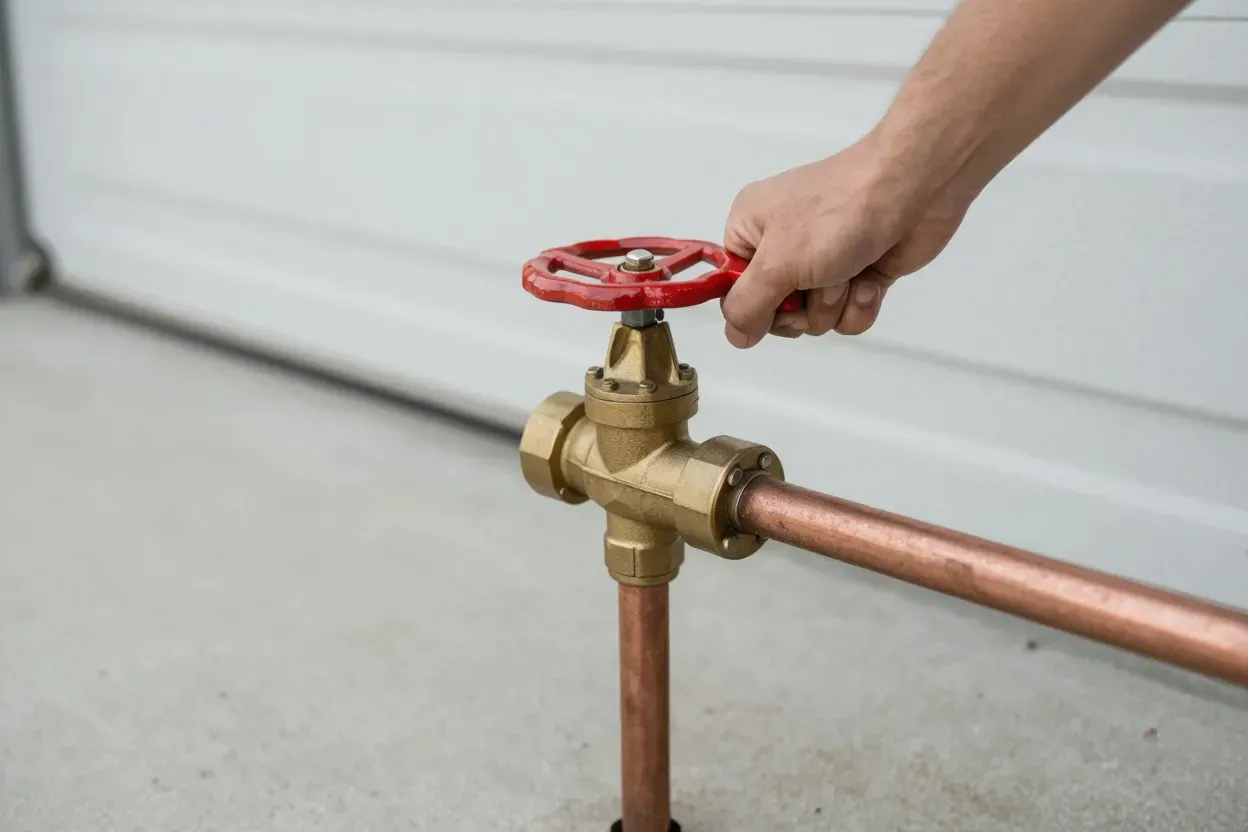
Tell the company where the water came from, how long it ran, and which rooms are wet. That tells the crew what equipment to load. If water is still running, shut off the main valve first.
Tell them what matters most to you, too. A room with family photos or a hardwood floor you want saved changes what the crew protects first.
2. Safety check on arrival
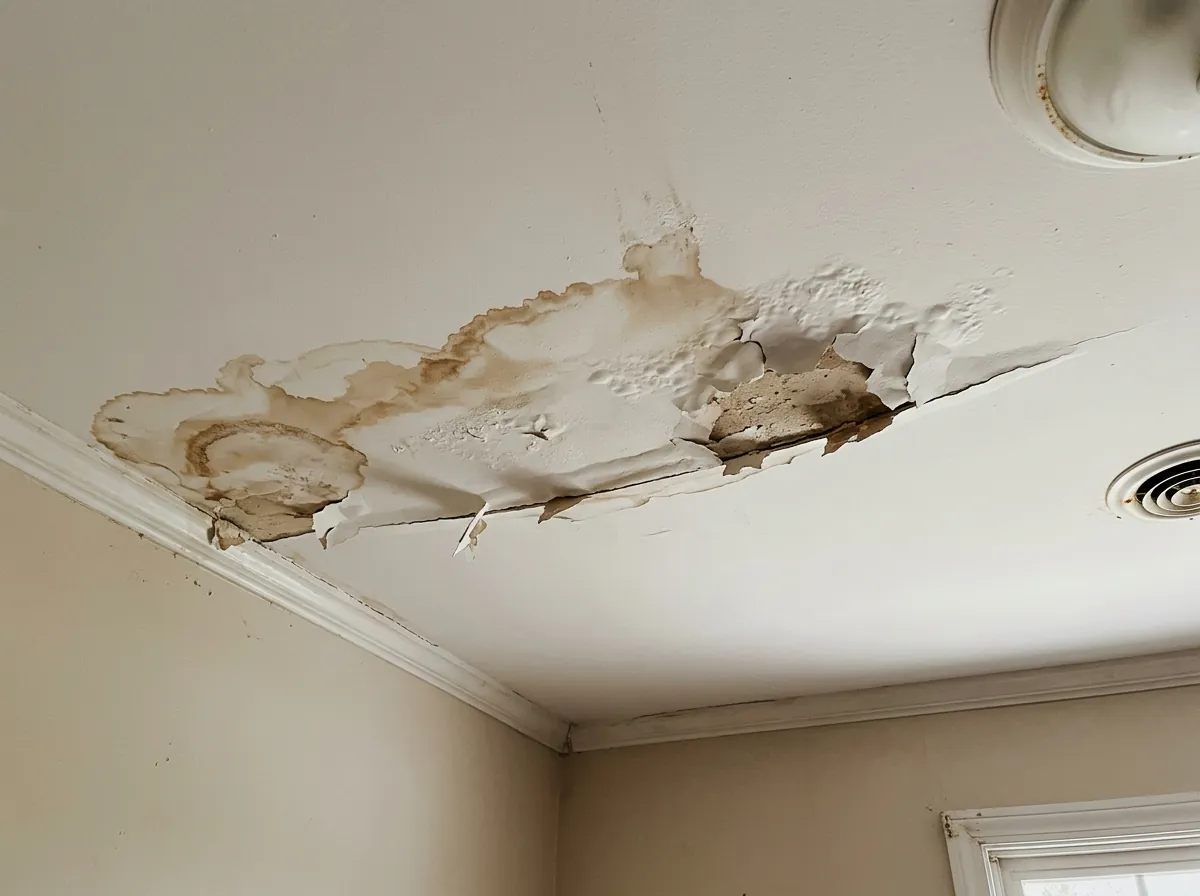
Before any work starts, the technician should look for hazards. That means water near outlets or the electrical panel, sagging ceilings, and signs of sewage. If water has reached the panel, an electrician deals with the power first.
3. Finding how far the water spread
Water moves under baseboards and into wall cavities, so the wet area is usually bigger than it looks. The technician checks walls, floors and cabinets with a moisture meter and, where useful, a thermal camera. The result is a moisture map: a sketch of every wet area with its readings.
4. Paperwork before work goes further
You’ll be asked to sign a work authorization so extraction and drying can start. Read it first. The section below explains what to look for.
5. Removing the water and wet materials
Standing water comes out first with extraction equipment. Materials that can’t be dried or cleaned, such as soaked carpet pad, are removed. Each item should go on the removed-materials list with a photo.
6. Setting up drying
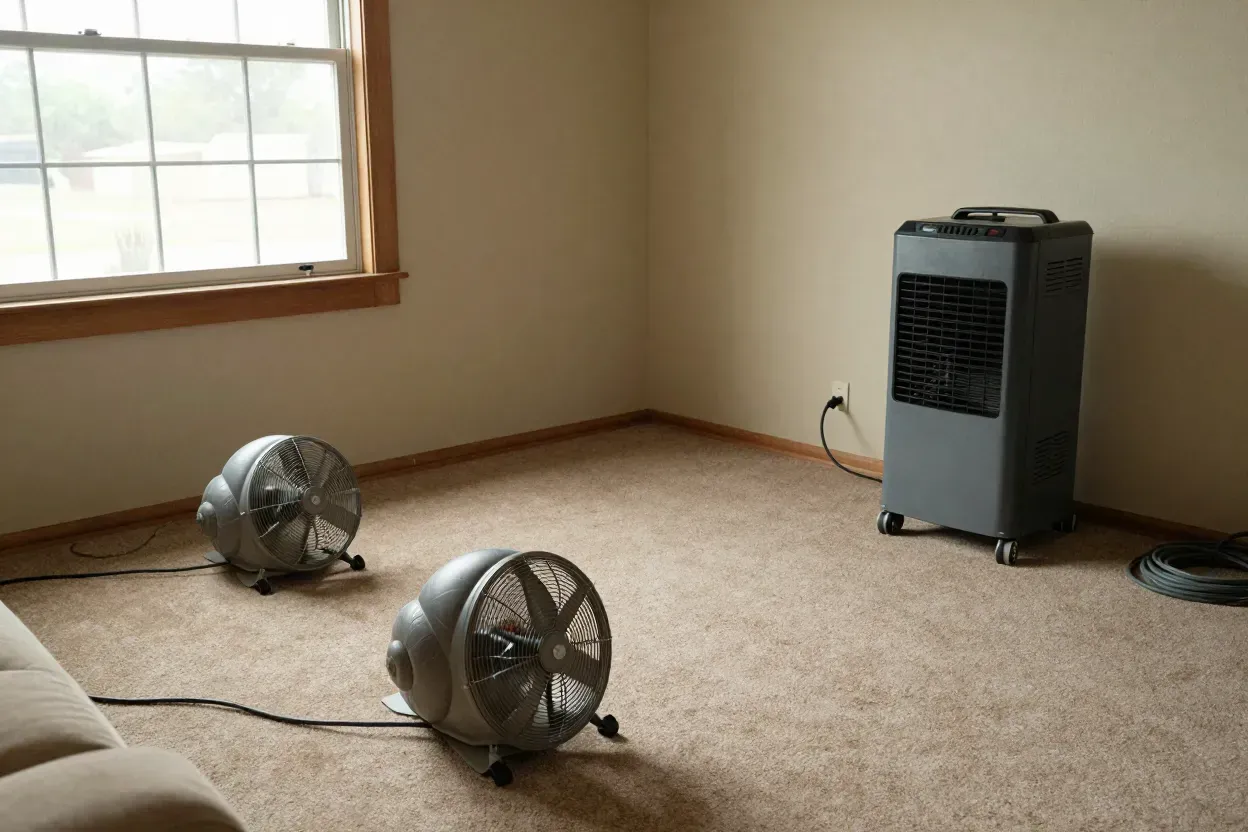
Dehumidifiers and fans (air movers) go in each wet room. In Plano, windows usually stay shut, because DFW’s summer air is already damp, with an average dew point around 70°F (National Weather Service).
7. Daily monitoring
A technician should come back to take readings at the same marked spots each visit. Equipment gets moved or added if an area isn’t drying.
8. Equipment comes off when the readings say so
The drying goal is set against dry, unaffected material in your home. Equipment comes off when the wet areas reach it, not on a fixed number of days. See emergency water extraction and drying for more on the drying stage.
9. Final walkthrough
The company should walk the home with you, go over the final readings, and hand over the full record. If repairs are needed, they get their own written estimate.
How billing works
Most insurance-paid jobs are billed in Xactimate, estimating software widely used by insurers. Its price lists are set by region. The bill shows each line item, so your adjuster can check it line by line.
- Written estimate first. Ask for the line items before work goes past the emergency stage.
- Equipment is billed per unit per day. Each dehumidifier and fan is its own line.
- Your deductible is yours to pay. Texas law doesn’t let a contractor waive or absorb it (Bus. & Com. Code §27.02). Contracts of $1,000 or more paid partly by insurance must carry a bold deductible notice. Check that yours does.
- Paying yourself? Ask the company which payment methods and financing it offers.
Published price ranges, with sources, are on our water damage restoration cost page.
Do I need to move out while my home dries?
Usually not, for a clean-water leak in one part of the house. Many families stay home during drying. Expect loud fans running day and night and some areas off-limits.
Sewage, flood water from outside, or exposed wiring are reasons to stay somewhere else until the area is safe. If you have to leave, ask your adjuster whether your policy pays for a hotel before you book.
Do I need to be home during the work?
Someone needs to be there for the first visit and the paperwork. After that, you don’t have to be home for every monitoring visit. Ask the company about key or lockbox access if that’s easier.
Who monitors the equipment?
A technician from the restoration company does, on each monitoring visit. They take readings, check that every unit is running, and empty or check dehumidifier drain lines. Between visits, don’t switch equipment off or move it. If something trips a breaker or stops running, call the company that set it up.
What a restoration company shouldn’t do
These lines come from Texas law. Hold any company you hire to them.
- It isn’t your public adjuster. A contractor can’t act as a public adjuster on a property it works on (Insurance Code §4102.163). The company should document the loss and work with your adjuster. It shouldn’t negotiate your claim.
- It can’t waive deductibles. Advertising or promising that is a Class B misdemeanor in Texas (Bus. & Com. Code §27.02).
- It can’t test and remove mold on the same job. The same company can’t do both the mold assessment and the remediation on one project (Occupations Code §1958.155). A separate licensed assessor writes the plan and checks the result (TDLR rules, 16 TAC Chapter 78). Remediation of 25 contiguous square feet or more needs a TDLR license (Occupations Code §1958.102). Ask for the license number.
- It shouldn’t fix pipes without a licensed plumber. In Texas, plumbing work needs a plumber licensed by the Texas State Board of Plumbing Examiners (TSBPE). Ask for the plumber’s license number.
Be careful with any company that offers to “handle your claim” or “waive your deductible.”
Who runs this site, and who does the work?
[OPERATOR_LLC] runs this website and the phone number on it. It is a referral service. The independent restoration company you’re connected with does the work in your home.
Licenses and registration to ask that company for, and check:
- IICRC Certified Firm status (IICRC Global Locator)
- TDLR mold remediation license, if mold is involved
- Licensed plumber for pipe repairs (TSBPE)
- City of Plano contractor registration
- Certificate of insurance
More about how this site works: about us.
Ready when you are
Shut off the water, take photos, then call. The line answers 24/7, and we’ll connect you with an independent local restoration company.