
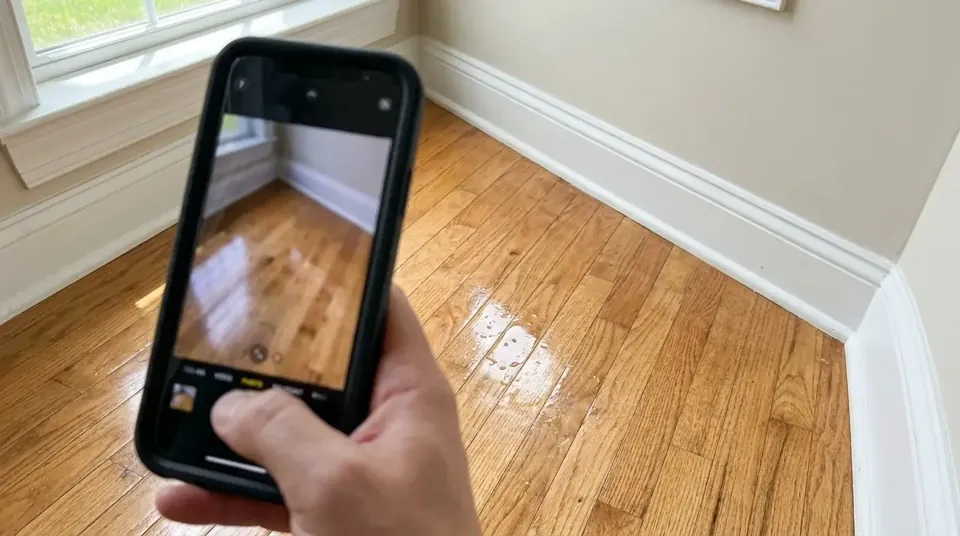
Texas Water Damage Insurance Claims Guide
Most Texas homeowners policies cover water damage that is sudden and accidental, like a burst pipe or a failed water heater. They usually don’t cover slow leaks, flood water from outside or mold from a long-running leak (Texas Department of Insurance). This guide explains what’s covered, the deadlines Texas law sets for your insurer, and what a restoration company may and may not do.
This is general information, not legal advice. Plano Water Damage Restoration is a referral service, and we are not public adjusters. Your policy and your adjuster decide what’s covered.
Water still coming in? Stop the water first, then call (972) 433-0517. The line answers 24/7 and connects you with an independent local restoration company.
Does homeowners insurance cover water damage in Texas?
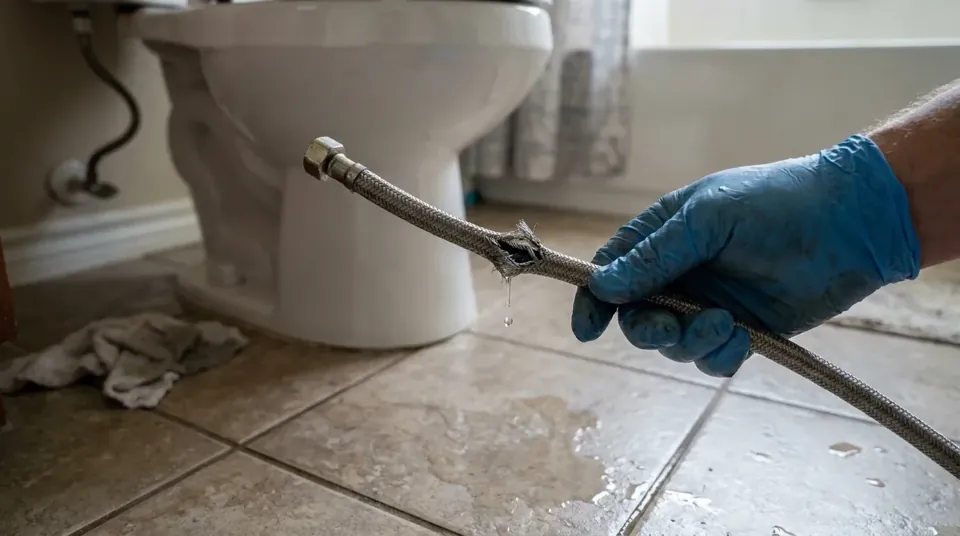
Usually yes, if the water damage was sudden and accidental. TDI gives a burst pipe, an overflowing toilet and a broken washer hose as examples. A leak or seepage that went on over time is generally excluded, and so is the mold it causes.
Policies differ, so read your own. Check three places:
- The declarations page. It lists your policy form, your deductible and any endorsements you bought.
- The water exclusions. Look for “continuous or repeated seepage”, “wear and tear”, flood and water backup.
- Mold wording. Many Texas policies exclude mold or cap it. Some add back mold that results from a covered sudden leak.
Not sure what you have? Ask your insurance agent which form and endorsements are on your policy. Under Texas law, a general question about coverage isn’t a claim. Your insurer can’t raise your rate or drop you just because you asked (Insurance Code §544.553 and §551.113).
Sudden or gradual: how do adjusters decide?
Adjusters look at how long the water was leaking. A pipe that split last night is sudden. A drip under a sink that rotted the cabinet floor over months is gradual. Signs of a long leak, like dark staining, rot or established mold, can lead to a partial or full denial.
That’s why the first days matter. A few things help show the leak was sudden:
- Photos taken the day you found the water, before anything is moved.
- The broken part itself: the split pipe, the cracked hose or the failed valve.
- A plumber’s written note on what failed and why.
- Daily moisture readings from the restoration company, showing the drying.
What if the adjuster says the leak went on “too long” or the cause is “unknown”?
Texas law requires an insurer that rejects a claim to tell you the reasons in writing (Insurance Code §542.056(c)). Ask which policy language it relied on. A plumber’s report on what failed, and when, may answer an “unknown cause” letter. If you still disagree, see the public adjuster and help line sections below.
What isn’t covered by a standard Texas home policy?
Flood, sewer backup, mold and the failed part itself are the common gaps. Each one has its own rules.
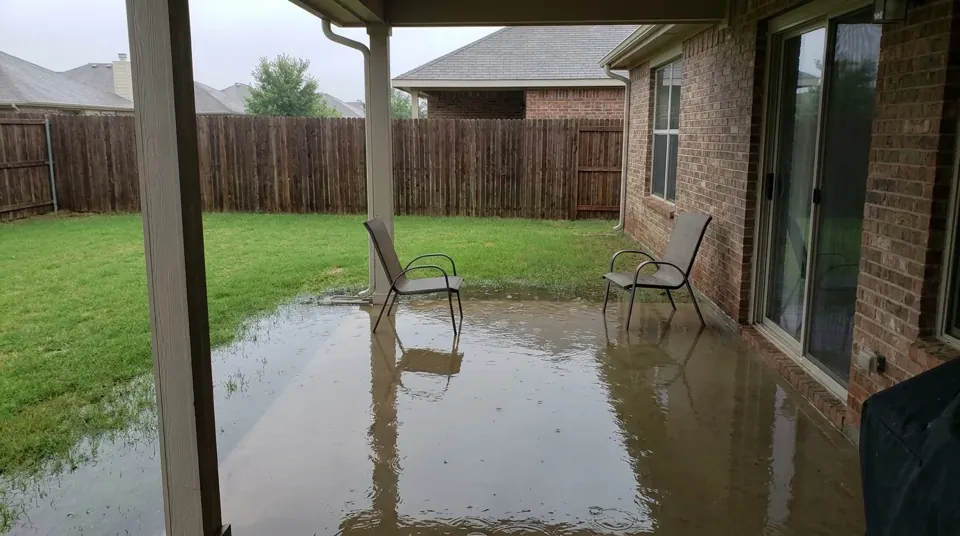
Flood water from outside
Home policies exclude flood. Flood coverage is a separate policy from the National Flood Insurance Program (NFIP), run by FEMA, or a private flood insurer (TDI). NFIP policies usually start after a 30-day waiting period, so a policy bought when a storm is forecast usually won’t cover that storm (FloodSmart). Rain or creek water that rises into the house is a flood claim. A pipe that bursts inside the house is a homeowners claim. Our flood damage page covers flood claims in Plano.
Sewer or drain backup
Water that backs up through a drain, toilet or floor drain is often excluded unless you added a water backup endorsement (ISO form HO 04 95 is a common example). Some Texas carriers include a small backup limit and sell more. Check your declarations page for the words “water backup”. In Plano, the City says a sewer backup inside your home is the owner’s responsibility to clean up and repair. See sewage backup cleanup.
Mold
Many Texas policies don’t cover mold remediation, and the ones that do generally cap it (Texas Attorney General). Mold from a gradual leak is usually excluded (TDI). This is the mold coverage gap that surprises people: the water may be covered while the mold cleanup isn’t. Our mold remediation page explains who can do that work in Texas.
The part that failed
A policy may pay to dry and repair the damaged house but not to replace the worn-out water heater or pipe that caused it. Ask your agent before you assume the repair itself is covered.
Should I call my insurer or a restoration company first?
Stop the water first, then call both the same day. Your policy expects you to take reasonable steps to prevent more damage, and TDI says the cost of those steps is usually covered. Drying is one of those steps. Our guide to how long drying takes explains the timeline. Waiting for the adjuster before drying can let mold start and cost you part of the claim.
Here’s what you can do before the adjuster arrives:
- Do: shut off the water, take photos and video, start water removal and drying, and keep receipts.
- Do: keep samples of what’s removed, like a piece of carpet and pad, and photograph them first.
- Wait: hold off on permanent repairs, like new drywall or flooring, until the adjuster has seen the damage (TDI).
Water on the floor right now? Call (972) 433-0517 to reach a local restoration company. Our emergency extraction and drying page explains the first visit.
What should I document for a water damage claim?
Document the damage before anything is moved, and keep a record of every call. TDI recommends photos, video, a list of damaged items and receipts for every expense.
- Photos and video: wide shots of each wet room, close-ups of the source and damaged items.
- The source: keep the broken pipe, hose or valve if a plumber removes it.
- A contents list: each damaged item, roughly when you bought it and what it cost.
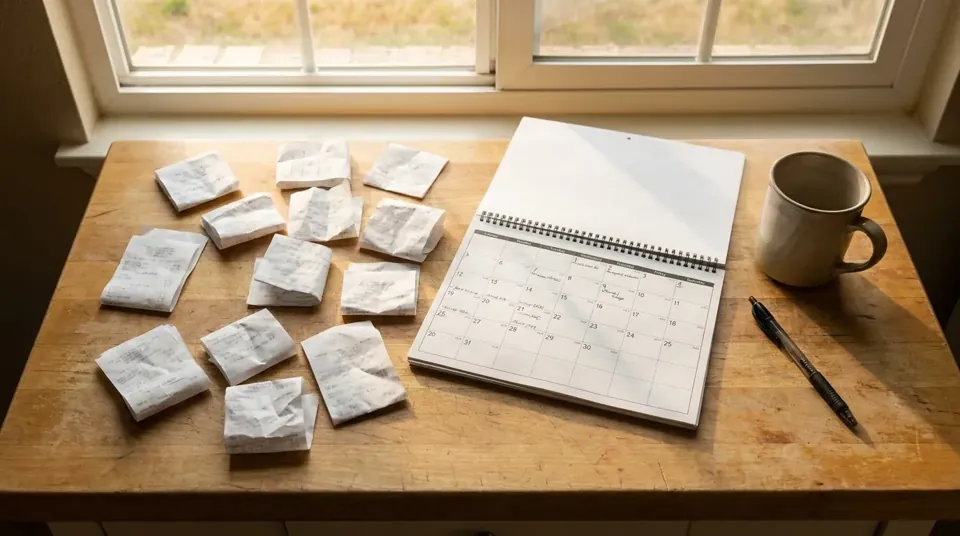
- Receipts: plumber, restoration, hotel, meals and any supplies you bought.
- Drying records: dated moisture readings, an equipment log and photos of anything removed. Ask the restoration company for copies.
- A call log: the date, the name of each person you talk to at the insurer, and what they said. TDI suggests getting your adjuster’s name, phone number and email.
Our how we work page shows what a restoration company’s documentation should include.
How long do I have to file a homeowners claim in Texas?
Report the damage to your insurer as soon as you find it. TDI notes that notice deadlines depend on your policy: some allow a year, while some require notice of water damage much sooner. Your policy’s “duties after loss” section sets the rule for you.
Other deadlines are fixed by law or program:
- NFIP flood claims: the flood policy requires a signed proof of loss within 60 days unless FEMA extends it (TDI; FloodSmart). Check your flood policy for the exact deadline.
- Claims against the City of Plano: if a City water main or line caused the damage, written notice is due within 6 months (City Charter Art. 11). Plano Risk Management handles these claims.
- Before suing over a weather claim: you must give the insurer written notice at least 61 days before filing suit (Insurance Code §542A.003).
How long do insurers have to pay a claim in Texas?
Texas sets the clock in Insurance Code chapter 542, the Prompt Payment of Claims Act. The insurer has 15 days to respond, then 15 business days to decide, then 5 business days to pay.
| Step | Deadline | Law |
|---|---|---|
| Acknowledge the claim, start the investigation and ask for what it needs | 15 days after notice of the claim | §542.055 |
| Accept or reject in writing | 15 business days after it has every item it asked for | §542.056 |
| Extra time, if it explains why | Up to 45 more days after telling you | §542.056(d) |
| Pay an accepted claim | 5 business days after telling you it will pay | §542.057 |
| Weather catastrophe declared by the commissioner | Each deadline gets 15 more days | §542.059 |
Surplus lines insurers get longer deadlines to acknowledge and to pay a claim (§542.055, §542.057). If an insurer delays payment for more than 60 days after it has everything it asked for, it can owe interest and attorney’s fees (§542.058, §542.060).
Every clock starts with written notice and your documents. So send what the adjuster asks for quickly, and keep copies.
How does the deductible work on a water damage claim?
You pay your deductible, and the insurer pays the covered amount above it, up to your limits. For example, with a $2,500 deductible and $9,000 of covered damage, the insurer pays up to $6,500.
Texas law makes you responsible for your deductible. A contractor can’t waive it, absorb it or offer a rebate that covers it. That’s a Class B misdemeanor (Business & Commerce Code §27.02). So treat any offer to “cover your deductible” as a red flag.
On a restoration contract of $1,000 or more that insurance will pay, the same law requires a notice in bold, 12-point type. It says Texas law requires you to pay your deductible. You’ll see it on any honest contract. For typical job prices, see water damage restoration cost.
Will my homeowners insurance go up after a water damage claim?
It can, but Texas law limits how insurers use some water claims. The answer depends on the type of claim and how many you’ve filed.
- Appliance leaks: an insurer can’t use a prior appliance-related water claim to set your rate or drop you. That protection applies if the damage was properly fixed and the repair was inspected and certified. It ends at three paid appliance claims in three years (Insurance Code §544.353).
- Nonrenewal: a home insurer may refuse to renew after three or more claims in any three-year period, but only if it warned you in writing after your second claim. It can’t count claims from natural causes, claims filed but not paid, or protected appliance claims (§551.107).
- Questions: asking about coverage, without filing, can’t be used to raise your rate (§544.553).
Is it worth filing a claim?
Compare the repair estimate to your deductible. If the damage is only a little above it, some owners pay themselves to keep the claim off their record. If the water reached walls, floors or a ceiling, costs often run well past a typical deductible. Get a written estimate before you decide. Keep the photos and receipts either way.
Do I have to use my insurer’s preferred contractor?
No. TDI says people insured under a homeowners or dwelling policy have the right to have their home repaired by the contractor they choose (TDI Bulletin B-0017-17; 28 TAC §5.9970). A preferred vendor may be fine. You’re still free to pick someone else.
If you do choose your own company, tell your adjuster early and share the company’s documentation. An insurer may also pay based on its own estimate. Ask how it priced the job, and compare line by line.
Can a restoration company deal with my insurance for me?
Not in the way some ads suggest. Texas law bars a contractor from acting as a public adjuster, or advertising to adjust claims, on any property where it works (Insurance Code §4102.163). A restoration company can document the damage and talk with your adjuster about the work. It can’t negotiate your settlement.
So watch for these phrases in ads or contracts:
- “We handle your claim”
- “We negotiate with your insurer”
- “We’ll cover your deductible”
Also read anything you sign before work starts. A work authorization lets a company start the job. An assignment of benefits signs your insurance payments over to it. Our hiring guide explains the difference and what to ask.
What is direct billing?
Direct billing means the restoration company sends its invoice to your insurance company instead of to you. It can save you paperwork. It doesn’t change what you owe: you still pay your deductible and any part of the bill your insurer doesn’t pay. It also doesn’t let the company negotiate your settlement. Ask for a copy of every invoice it sends.
Should I hire a public adjuster for a water damage claim in Texas?
Maybe, for a large or disputed claim. A public adjuster works for you, not the insurer, and must be licensed by TDI. Their fee comes out of your settlement.
What Texas rules say about fees (Insurance Code §4102.104):
- The fee can be hourly, a flat rate or a percentage of what the insurer pays.
- The total can’t be more than 10% of the settlement.
For a small, clearly covered leak, many owners handle the claim themselves. For a big loss, or a denial you think is wrong, a licensed public adjuster or an attorney can help. Check the license with TDI before you sign. Remember that your restoration contractor can’t play this role.
Does homeowners insurance pay for a hotel during repairs?
Often yes, if covered water damage makes the home unlivable. This is called additional living expenses (ALE), or “loss of use”. It pays the extra cost of living elsewhere, like a hotel and the meals above your normal grocery bill (TDI glossary).
ALE has a limit. It’s often 10% to 20% of your dwelling coverage (TDI). Ask your adjuster before you book, and keep every receipt. Sewage, flood water or exposed wiring are common reasons a home isn’t safe to stay in. Who pays when a landlord, HOA or neighbor is involved is covered in who pays for water damage.
What happens to claims after a big freeze or storm?
Claims back up, and every deadline gets harder to meet. After the February 2021 freeze, Texans filed 500,196 insurance claims by July 31, 2021 (TDI data, via Spectrum News). If the commissioner declares a weather catastrophe, insurer deadlines get 15 more days (§542.059).
In a declared disaster, federal help may also be available. Collin County was approved for FEMA Individual Assistance after the February 2021 storm (DR-4586) and the spring 2024 storms (DR-4781). FEMA help is for losses insurance doesn’t cover, so file with your insurer first.
During a freeze week, report the claim early, start drying, and document everything. Our burst pipe page covers the first steps.
Where can I get free help with a Texas insurance claim?
Call the TDI Consumer Help Line at 800-252-3439, Monday to Friday, 8 a.m. to 5 p.m. Central time. TDI can answer questions about your rights and take complaints about an insurer.
Other places to ask:
- Your agent: for what’s on your policy and your endorsements.
- City of Plano Risk Management (RiskInfo@plano.gov): for damage caused by City lines.
- City of Plano Engineering: help finding your property’s flood zone and flood history.
Water damage in Plano? Call (972) 433-0517
Stop the water, take photos, then call. The line answers 24/7 and connects you with an independent local restoration company. The company documents the damage and works with your adjuster. You and your insurer settle the claim. For what that company does on the job, see water damage restoration in Plano.
Call (972) 433-0517